The Journey

A sequence of moments.

Not a biography. Just the intersections that shaped how I build, what I notice, and why I care.

Origins

Early curiosity.

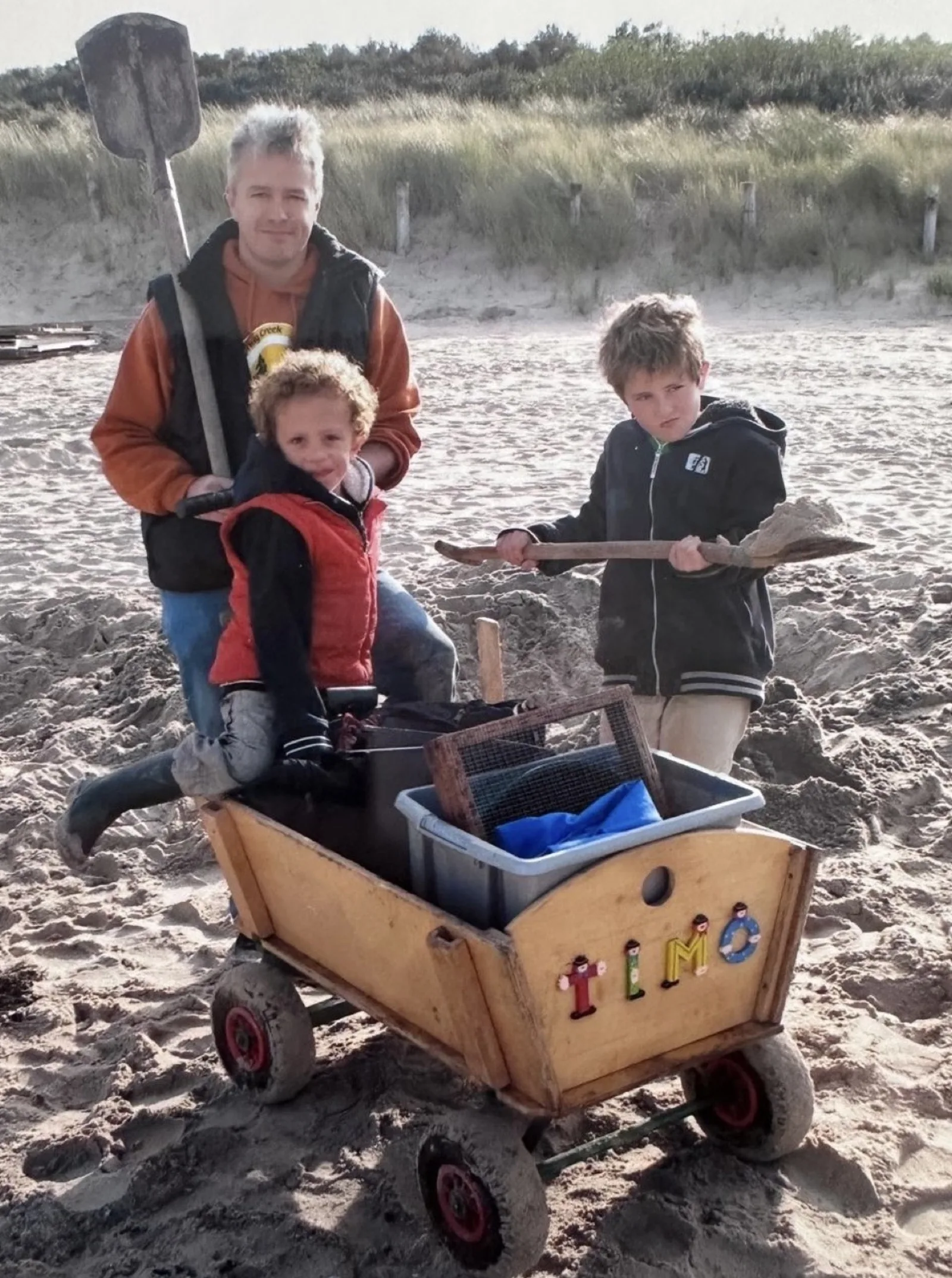
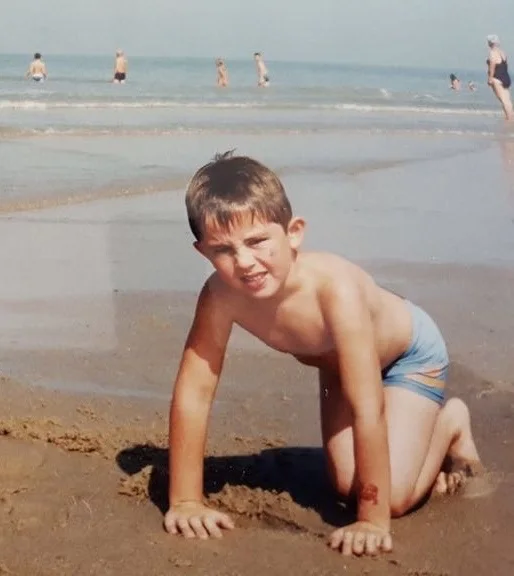
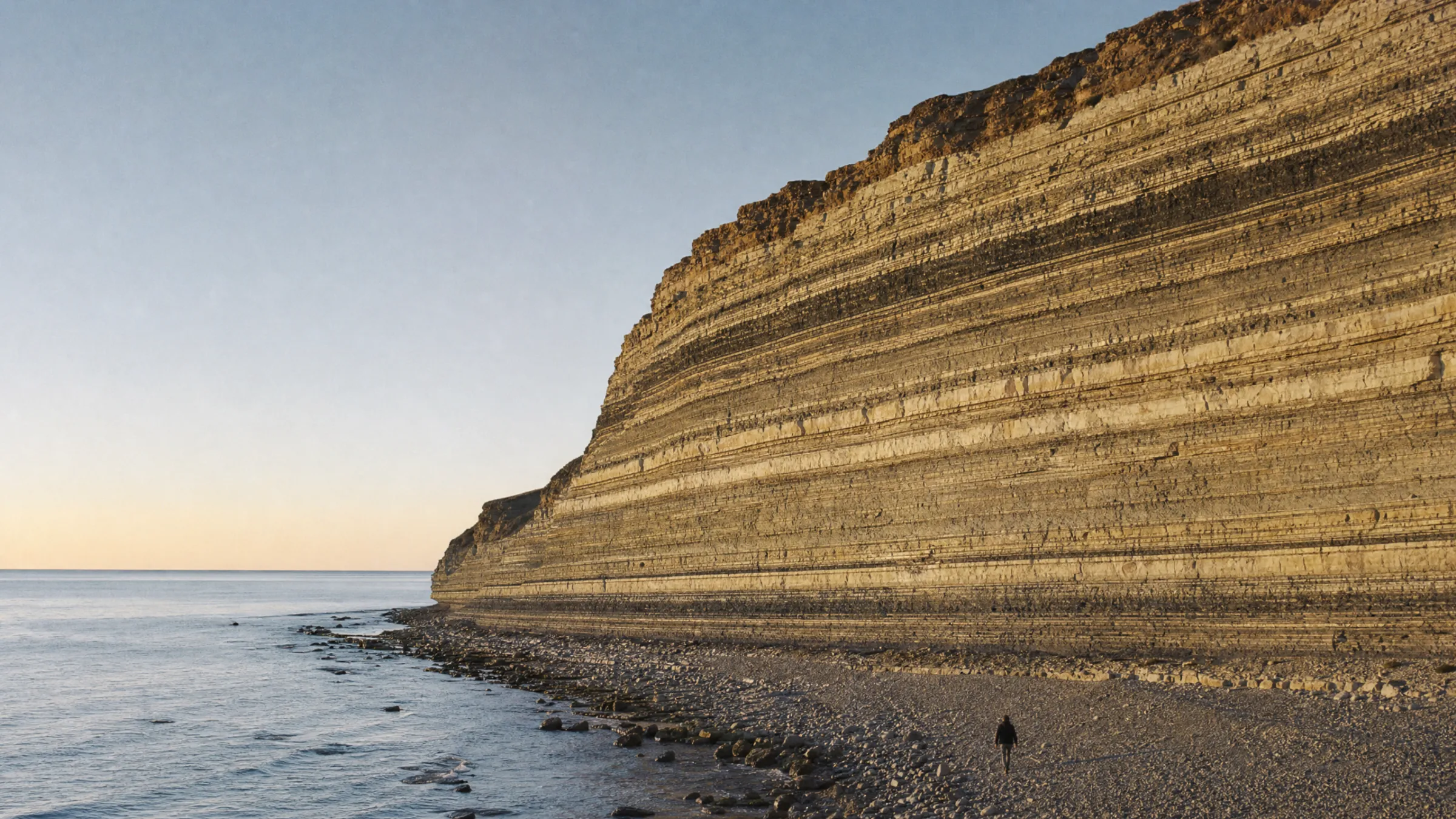
As a child, I spent hours on the beach collecting fossils and ancient teeth, trying to understand the creatures that came before us. I was not just interested in the objects, but in the time scales behind them. Holding a piece of an animal that lived two hundred million years ago still fascinates me to this day.

At a young age, I also worked in a museum focused on ancient history. That experience anchored something early on: thinking in long timelines changes how you act in the present.

Long time horizons change what you build today.
Young Daniël on the beach
Finding fossils with my father and brother

Zeeland coast, late 1990s

Entrepreneur at heart

The first venture.

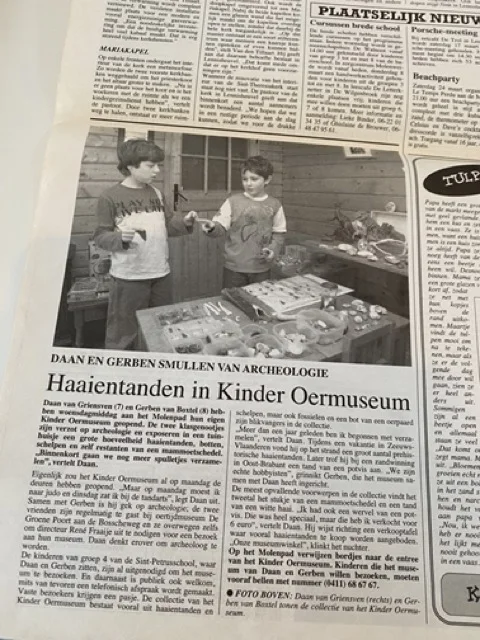
At age seven, a friend and I started our first museum in the backyard. We did not wait for permission or funding. We just curated what we had found and invited the neighbourhood.

That impulse to build continued. By the time I finished college, I had engaged in over eight projects and companies. Some worked, most did not, but the pattern of creating structures to share value was set early.

Start before you are ready.

Newspaper clipping: Haaientanden in Kinder Oermuseum

Local newspaper, 2006

Formative years

The world as a teacher.

Travel gradually became a part of my life. Moving through different places and cultures made me aware of how much learning happens outside of formal structures.

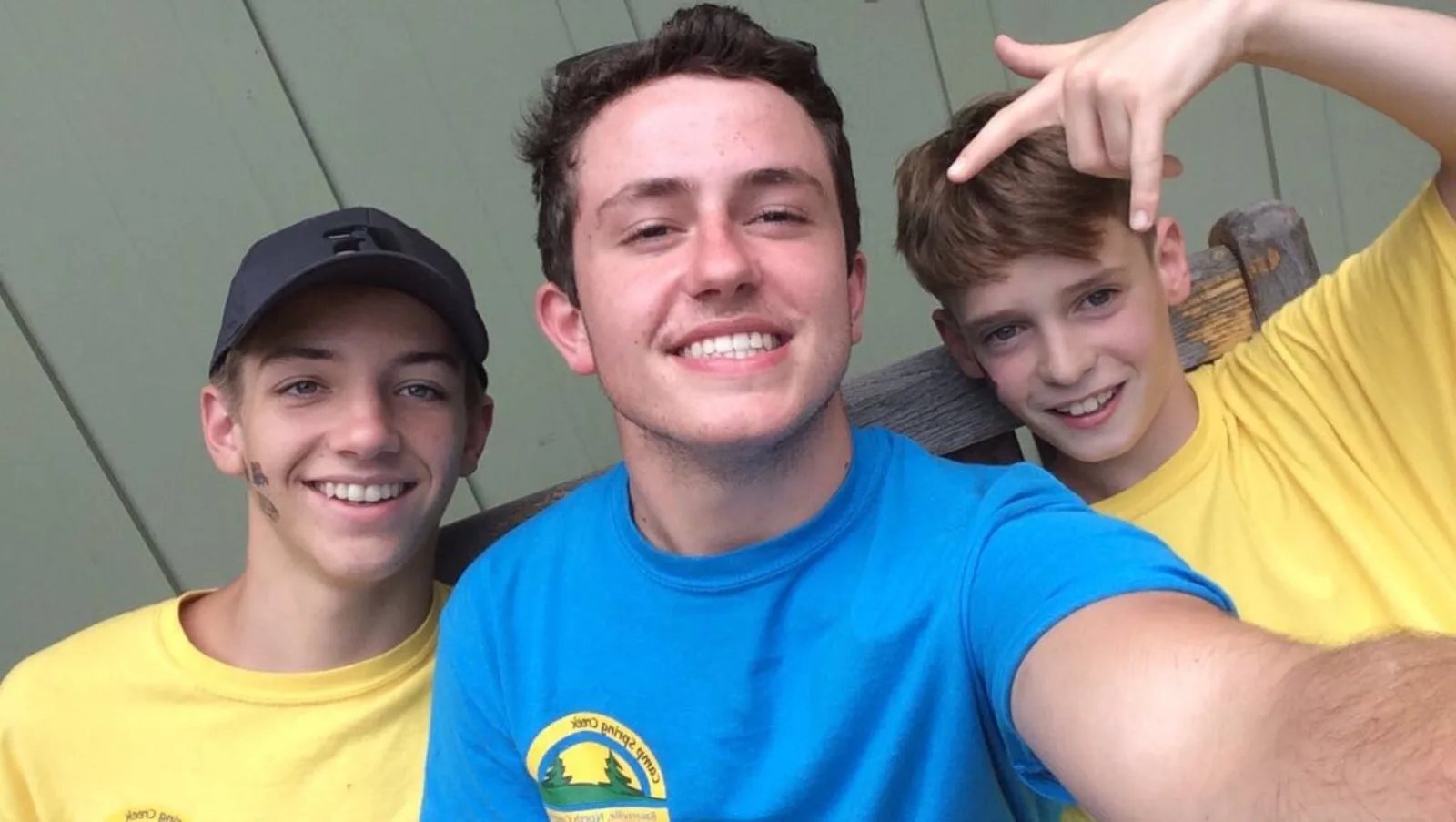
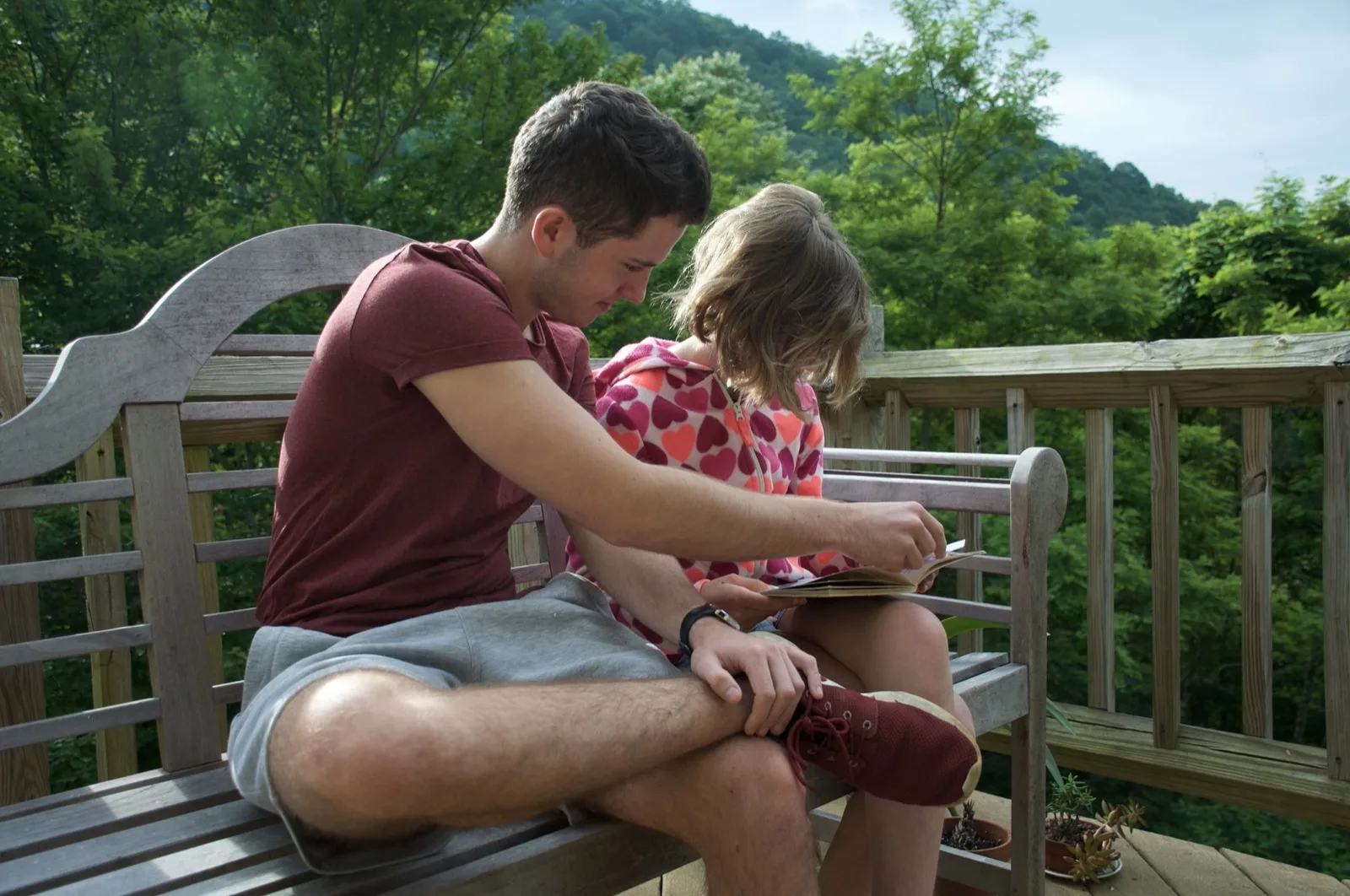
When I was presented with the opportunity to work at a summer camp in the United States, I took it. There, I worked closely with children with dyslexia, alongside people from different generations, backgrounds, and cultures.

What became clear was simple. There is no single model of learning that works for everyone. Many of these children made two years of progress in three months. Not through pressure, but through play, trust, patience, and connection. When learning adapts to the person, confidence follows.

Rigid systems diminish potential.

Summer camp, North Carolina
Reading with a camper

Camp Spring Creek, North Carolina

A broken system

Education and friction.

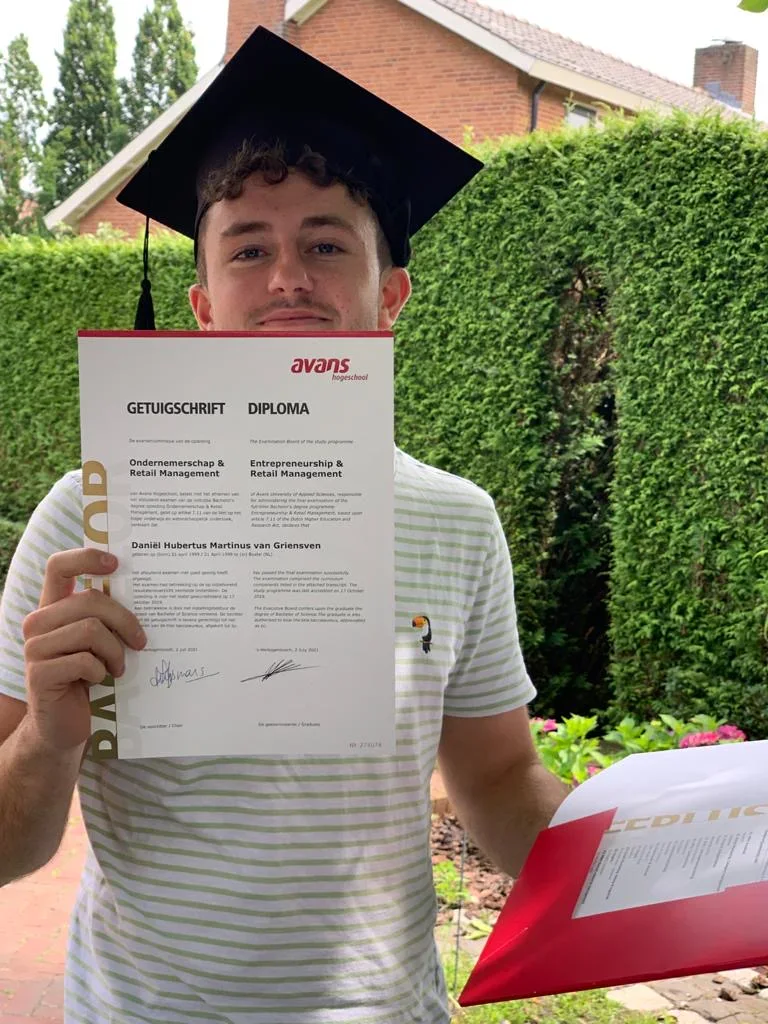
I felt disconnected from standard educational pathways from a young age, but this became more pronounced when I started university, studying entrepreneurship.

Much of what I encountered felt abstract and removed from lived reality. Many of the people teaching had never built or run their own businesses. Ideas were repeated from books, models were taught without context, and complexity was often simplified into frameworks that did not survive contact with the real world.

I followed through. I completed the degree. And then I never looked at it again.

What stayed with me was not the content, but the realisation that formal education often excels at structure while struggling to prepare people for ambiguity, responsibility, and real-world decision-making.

That friction shaped how I think about systems today. Education is not inherently broken. But when it prioritises standardisation over context, it quietly limits human potential.

Structure dictates behaviour.

Graduation, Avans University of Applied Sciences

Avans, 2021

Expansion

Exposure to a different world.

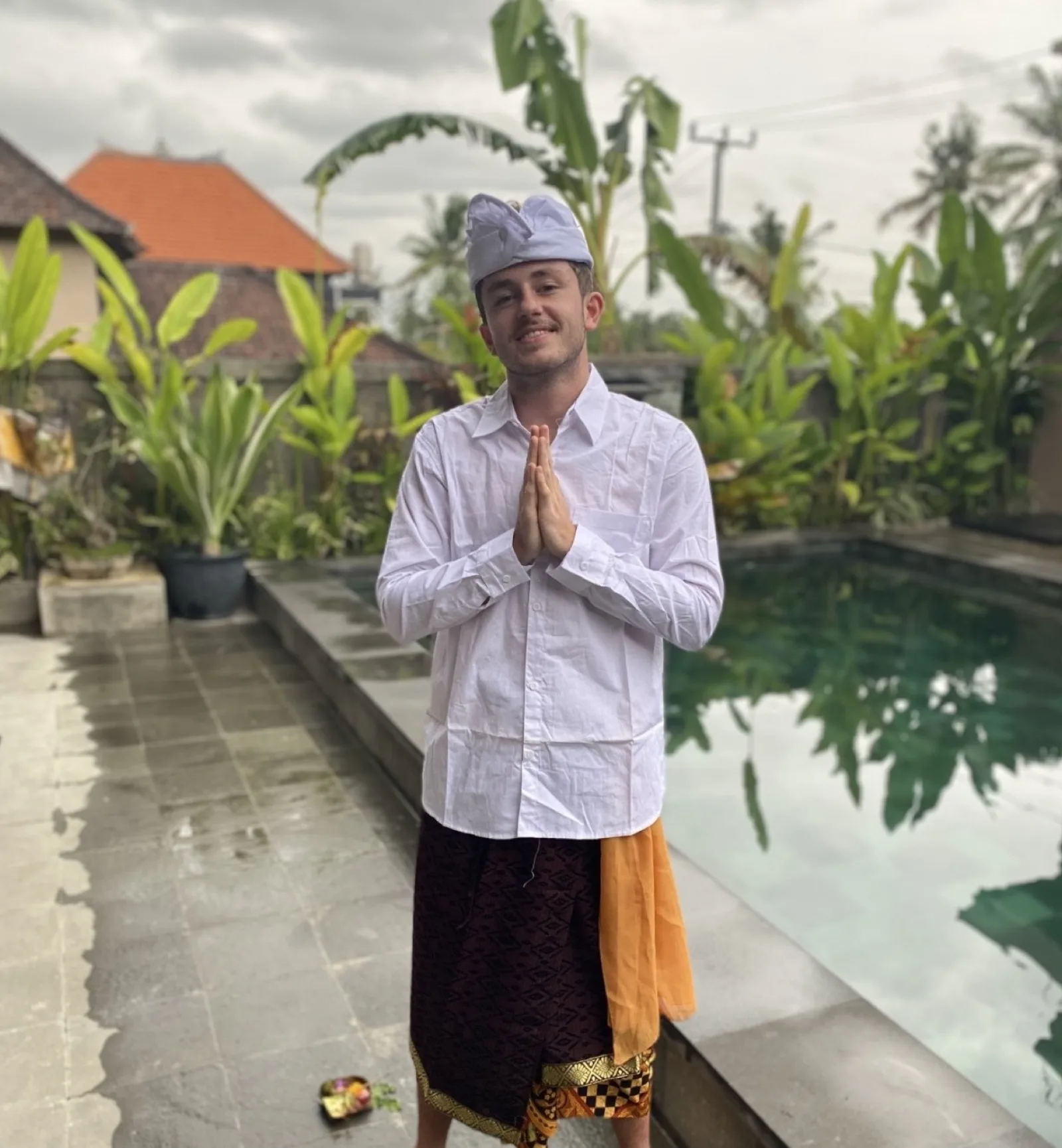
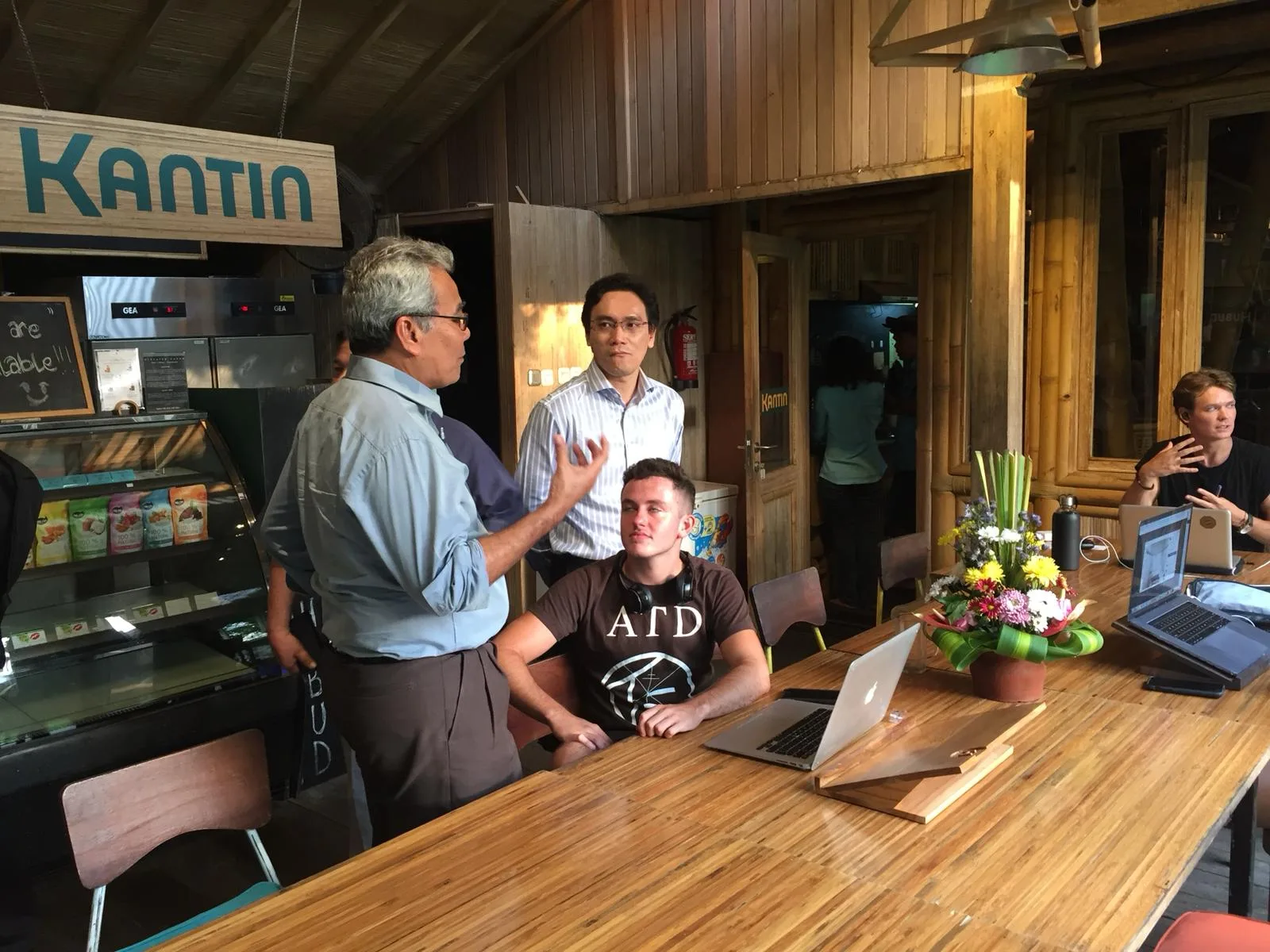
Later, I went to Asia for an internship. In Bali, I worked at a coworking space surrounded by people building businesses online across industries and continents.

For the first time, I saw work happening outside traditional structures. People creating value without permission, across borders, with entirely different life designs.

Value can be created without permission.

Coworking at Kantin, Bali
Ceremony in Ubud, Bali

Bali · coworking and living

Execution

Building and rebuilding.

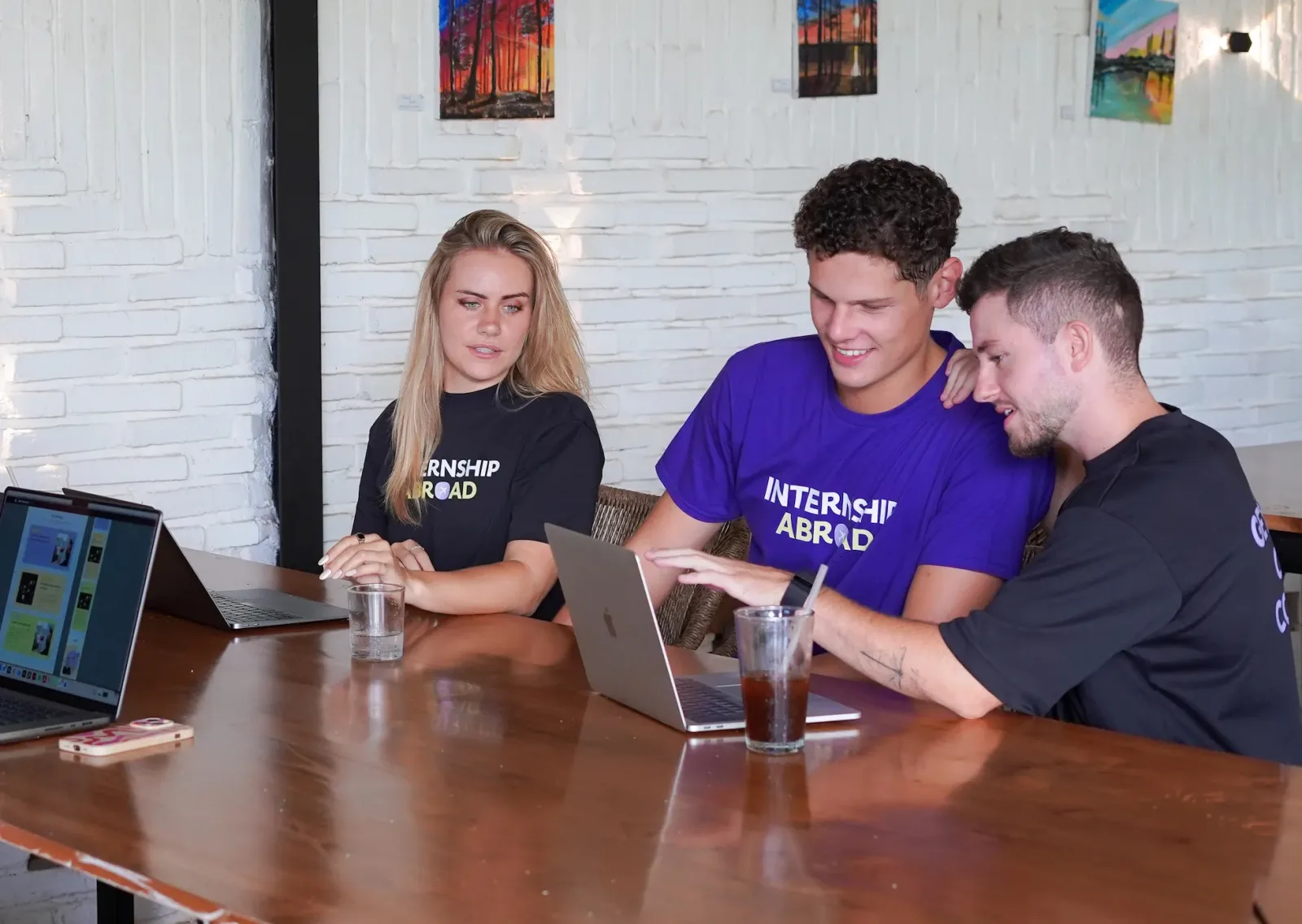
Eventually, these threads came together in Internship Abroad. What started as a way to help students gain meaningful international experience grew into a complex ecosystem.

Running that system gave me a rare vantage point. I could see patterns repeat across education, talent, and organisations. The same friction points. The same misalignments. The same short-term thinking.

Structure dictates behaviour.

Internship Abroad team at work

Internship Abroad · a working day

Synthesis

Seeing the pattern.

Over time, it became clear that many problems were not isolated. They were structural. Education was disconnected from work. Founders were overwhelmed with advice but lacked context. Systems across industries were optimising for the wrong things, or for nothing at all.

That realisation led to Future Proof. Not as a product, but as a foundational layer. A place where intelligence, people, capital, and execution could be aligned instead of fragmented.

Coherence is the ultimate leverage.

Future Proof working session

Future Proof · working session

Present day

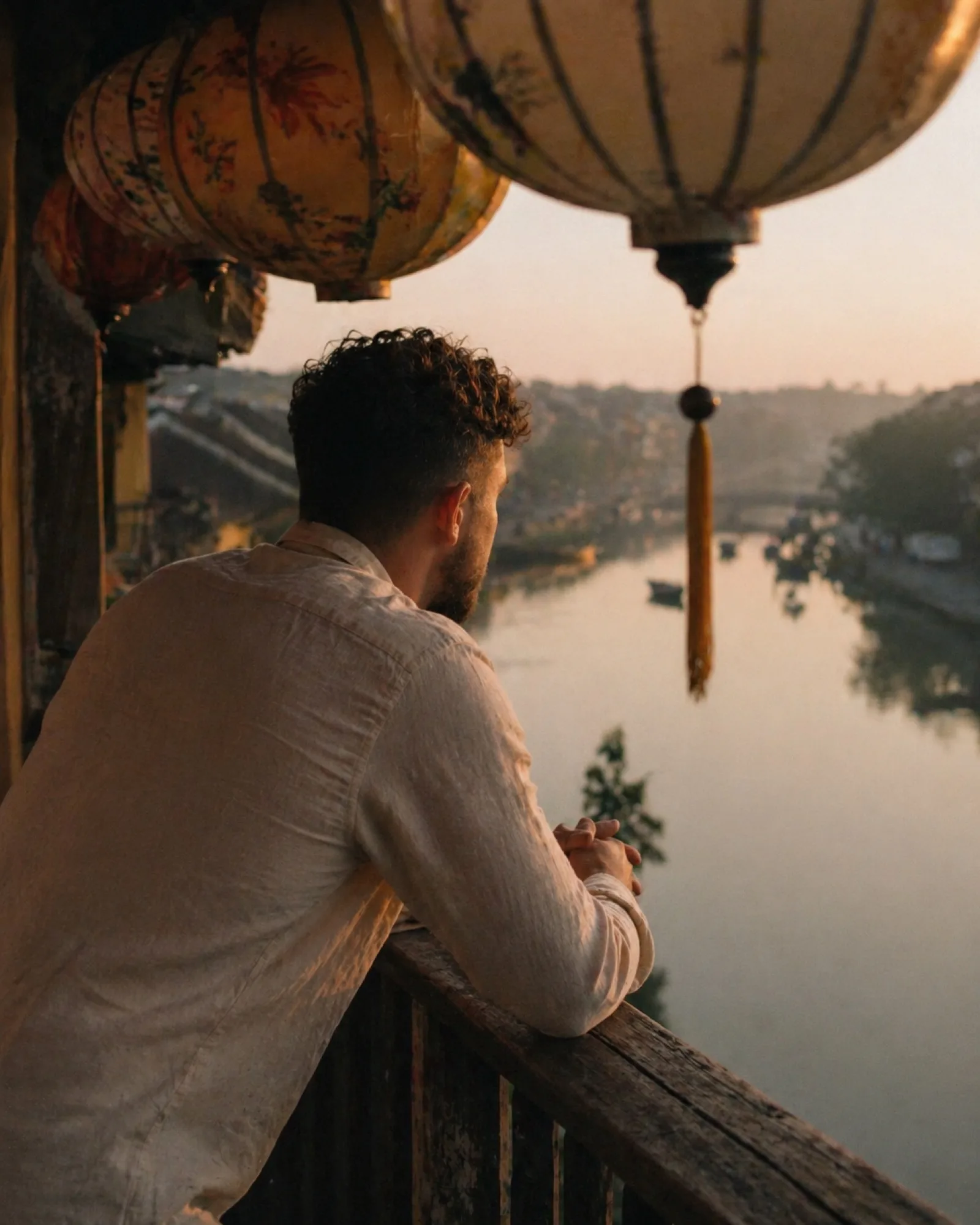
Creating from beautiful places.

I still spend as much time on the beach as possible. Mostly building things in my mind, to then bring into reality later on.

I try to keep my focus on the realness and beauty of the physical and spiritual world, while staying grounded and creating in the digital. A life mixed with making beautiful things and finding inspiration in beautiful places.

I think a lot. I have an imagination that is sometimes hard for even me to fully understand. But I have learned to trust it.

Over the last seven years or so, I started to realise that so much more can now be done with so much less. And that the future is heading towards us very quickly, with huge implications for work, for meaning, for how we spend our time.

My goal now is to design systems that let people stay fully human, with the support of today's tools and opportunities. There is so much available now. I try to help people find what it is for them.

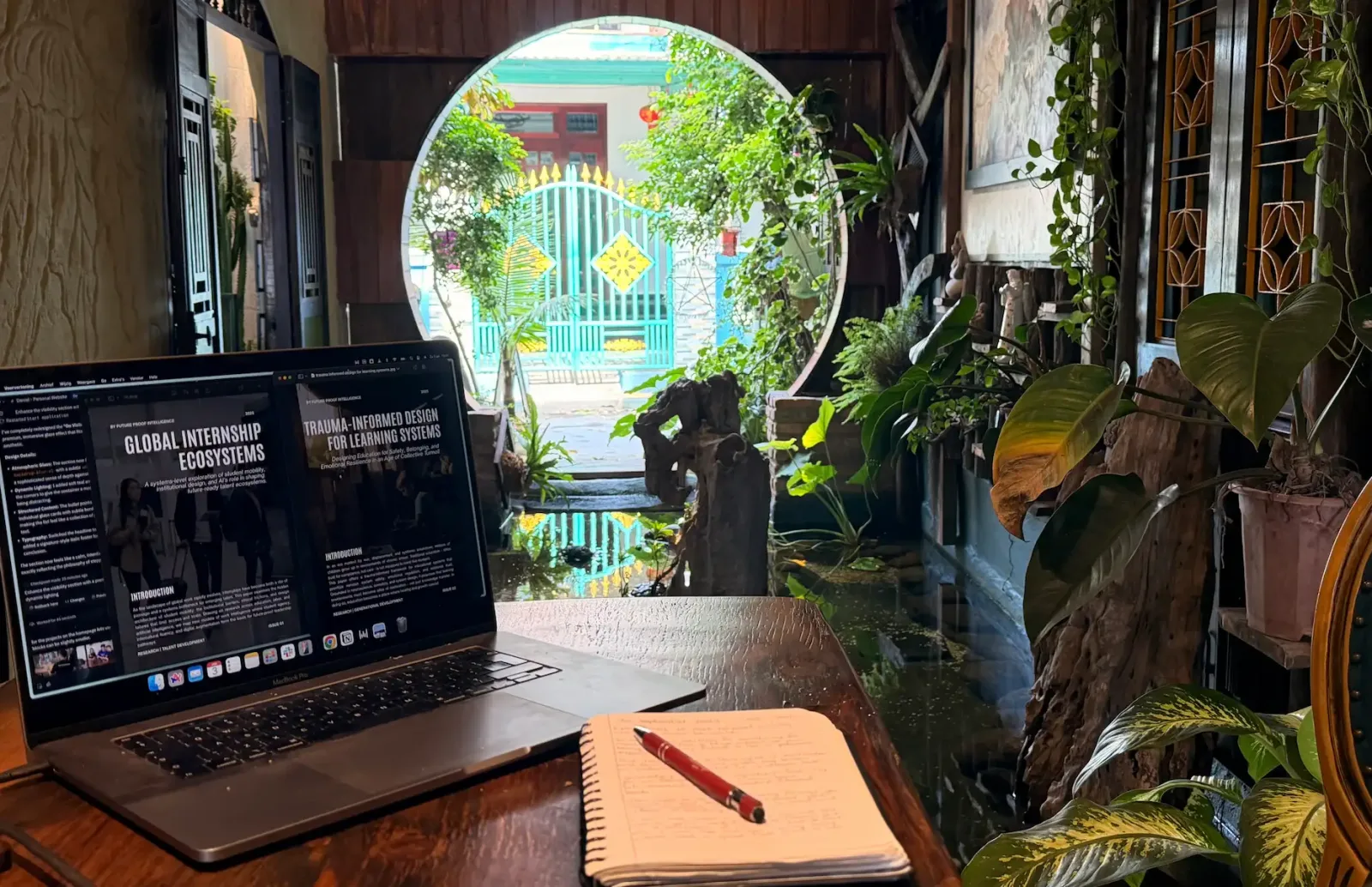
A working morning, through a round window onto the world

A working morning, 2026

That is the backdrop.

What I am working on now, and with whom, is on the home page.

Start a conversation