Thinking
What I believe, and what it becomes.
Before anything gets built, something has to be believed long enough to hold weight. These are the ideas I keep returning to. Most of them I learned by doing the opposite first.
One
Orientation over information.
There is no shortage of data. What is scarce is knowing what to point at. Most founders I work with already have plenty of research. What they need is fewer inputs and a clearer sense of which way is north.
Two
Coherence is the ultimate leverage.
Most founders try to win through speed or scale. The third path is coherence. Every part of the work points the same way and speaks in the same voice. Speed without coherence is noise.
Three
Creating is participation.
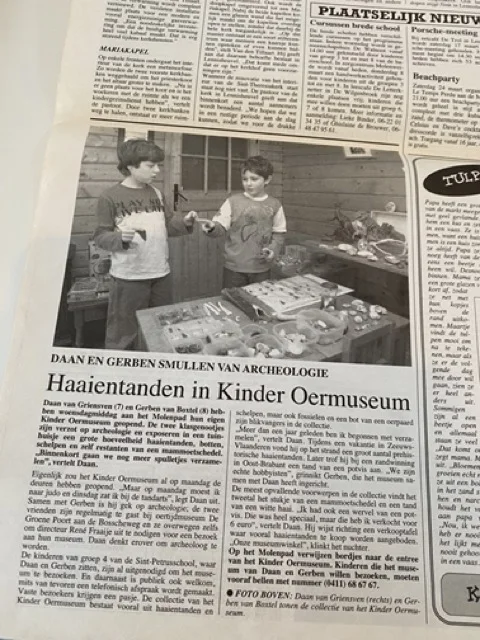
We help shape what comes next by building in it. A child making a museum in the backyard. A founder writing the email she has been putting off. Small acts of authorship compound.
Four
The body is part of the system.
A founder who is not sleeping makes worse decisions. Mornings, sea, walking, training, food, breath and sleep are the ground the work runs on.
Five
Release over grip.
The work was to build the system. The work now is to trust it. When the ecosystem can carry a decision, it carries it. When it cannot, I step in. This is the one I am still learning.
Most of the work is figuring out what to leave out.
What remains connects. A belief held long enough becomes a network other people can build on.
The belief underneath
The way we learn, work and grow can be better designed.
The systems we have were honest answers to a different question. Schools were designed to prepare people for a workforce. Companies were designed around labour. Careers assumed a predictable arc.
The question has changed. The next layer, the one being built right now, can be designed with intention instead of left to happen. There is still time to choose, and that choice decides every project I start and every partner I bring in.
What follows
Take it seriously, and three things follow.
The work is structural.
People need better-designed systems more than more advice. So the work is designing those systems, and building them with the people who will live inside them.
Built with partners.
One founder can now sustain what once took hundreds of people. That changes what a company is, and it changes the ethics. When I build with someone, I build with them as a partner, with shared upside.
Slow on purpose.
The pull of this era is speed. My answer is a few things built well, with people worth staying with, over horizons longer than a year.
Where it comes from
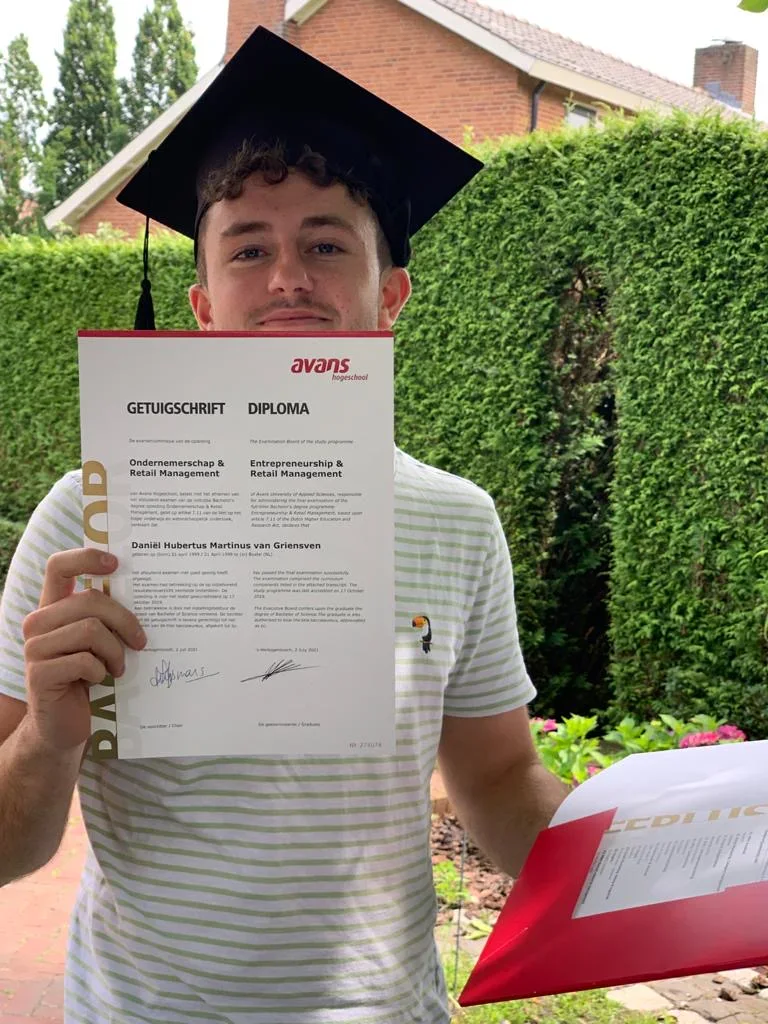
Four moments that gave me permission.
Each was small. Together they showed me that the systems we live inside are choices, made by people, and they can be made again.